
Horizontal Boring Mills for Sale

Horizontal boring mills are the machines shops use when the part is too big or heavy to move around: frames, gearbox and pump housings, valve bodies, large weldments and castings. The spindle (and on many machines an extending boring bar) comes out of the headstock to bore, face, drill and mill deep features, and a rotary table lets you reach several sides of the part in one setup.
Worldwide Machine Tool sells new and used horizontal boring mills and horizontal machining centers, both manual and CNC. Brands include Femco, Kuraki and Summit, plus used Giddings & Lewis machines. Our staff can help you decide whether you need a horizontal machining center (the table does most of the moving) or a horizontal boring mill (the spindle extends to reach into large parts). Call 614-255-9000 for current pricing or request a quote.
Showing all 42 results
-
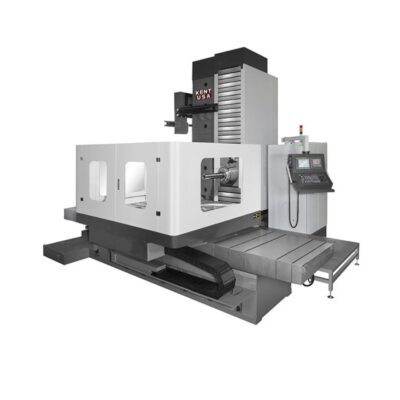
62″ x 55″ New Kent USA Horizontal Boring Mill Model KBM-11022
-
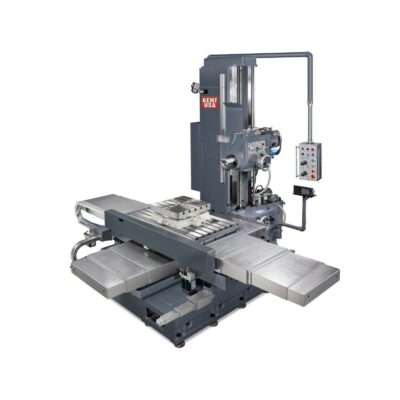
55″ x 32″ New Kent USA Horizontal Boring Mill Model KBM-8520
-
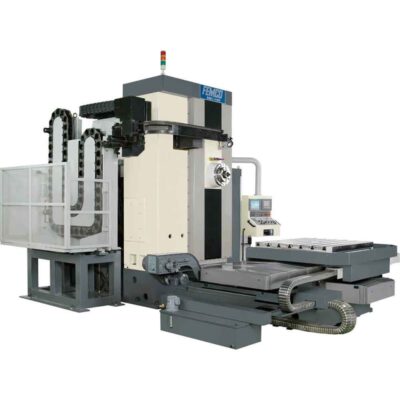
8.86″ New Femco CNC Horizontal Boring Mill BMC-110T2 78.74″ x 80.7″ x 59.05″
-
5.31″ New Femco CNC Horizontal Boring Mill BMC-135TN 118.11″ x 98.42″ x 59.05″
-
5.31″ New Femco CNC Horizontal Boring Mill BMC-135R 94.49″ x 82.68″ x 59.05″
-

5.1″ New Lucas CNC Horizontal Boring Mill Model WHN 13P 138″x79″x49″
-

5.1″ New Lucas CNC Horizontal Boring Mill Model WFT 13 118″ x 98″ x 59″
-

5.1″ New Lucas CNC Horizontal Boring Mill Model WFT 13 118″ x 79″ x 59″
-

5″ New Summit Horizontal Boring Mill Model HTM5H 78″ x 31.5″ x 100″/122″/143″
-
5″ New Summit Horizontal Boring Mill Model HB 180 70″ x 55.1″ x 47″
-
5″ New Summit Horizontal Boring Mill Model HB 140 55.1″ x 47″ x 43″
-
4.33″ New Femco CNC Horizontal Boring Mill BMC-110T4 157.5″x82.67″x59.05″
-
4.33″ New Femco CNC Horizontal Boring Mill BMC-110FT4 157.5″x80.7″x59.05″
-
4.33″ New Femco CNC Horizontal Boring Mill BMC-110T3 118.1″ x 82.67″ x 59.05″
-
4.33″ New Femco CNC Horizontal Boring Mill BMC-110FT3 118.1″ x 80.7″ x 59.05″
-
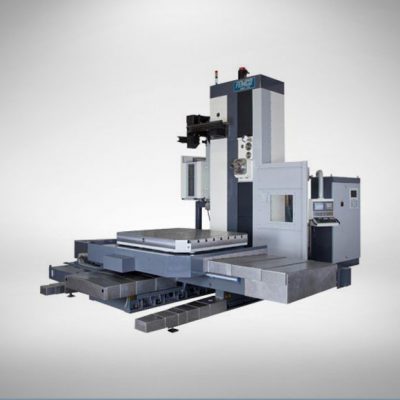
4.33″ New Femco CNC Horizontal Boring Mill BMC-110R3 118.11″ x 70.87″ x 64.96″
-
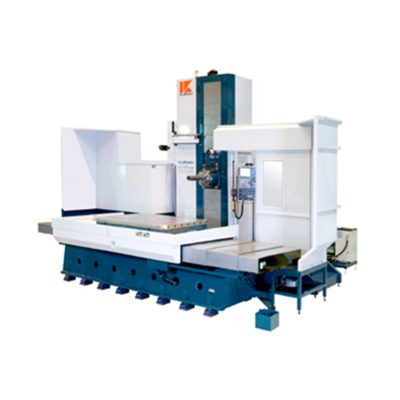
4.33″ New Kuraki Horizontal Boring Mill Model KBT-11Z 98.43″ x 70.87″ x 47.24″
-

4.33″ New Kuraki Horizontal Boring Mill Model KBT-11EZ 98.43″ x 70.87″ x 47.24″
-
4.33″ New Femco CNC Horizontal Boring Mill BMC-110FT2 78.74″ x 82.7″ x 59.05″
-
4.33″ New Femco CNC Horizontal Boring Mill BMC-110R2 78.74″ x 70.87″ x 64.96″
-
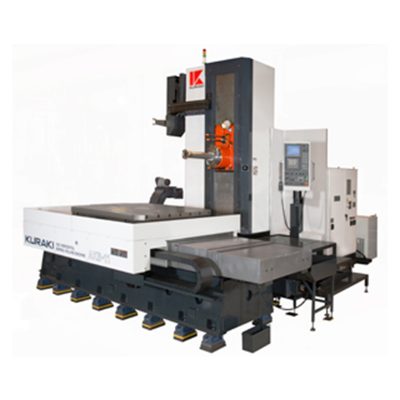
4.33″ New Kuraki Horizontal Boring Mill Model AKB-11 78.74″ x 59.06″ x 59.06″
-

4.33″ New Kuraki Horizontal Boring Mill Model KBT-11A 66.93″ x 59.06″ x 45.28″
-
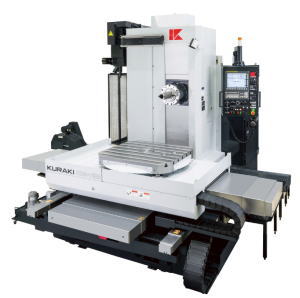
4.33″ New Kuraki Horizontal Boring Mill Model KBM-11EM 59.06″ x 47.24″ x 27.56″
-

4.33″ New Kuraki Horizontal Machining Center Model KBM-11SX/11S 59.06″ x 47.24″ x 27.56″
-
4.33″ New Femco CNC Horizontal Boring Mill Model BMC-110FR1 55.12″ x 54.72″ x 43.31″
-
4.33″ New Femco CNC Horizontal Boring Mill BMC-110R1 55.12″ x 54.72″ x 43.31″
-
4.33″ New Femco CNC Horizontal Boring Mill BMC-110R1APC 55.12″ x 54.72″ x 43.31″
-
4.3″ New Summit CNC Horizontal Boring Mill Model HBM 110-30T 118.1″ x 70.8″ x 55.1″
-
4.3″ New Summit CNC Horizontal Boring Mill Model HBM 110-20T 78.7″ x 70.8″ x 55.1″
-

4.3″ New Summit CNC Horizontal Boring Mill Model HBMC-4A 70.86″ x 53.1″ x 40.1″
-
4.3″ New Summit Horizontal Boring Mill Model HBM 110H 70.8″ x 55.1″ x 55.1″
-
4.3″ New Summit Horizontal Boring Mill Model HBM 110-FH 70.8″ x 54.7″ x 55.1″
-
4.3″ New Summit Horizontal Boring Mill Model HBM 110 63″ x 39.4″ x 49.2″
-

4.3″ New Viper 115B CNC Precision Horizontal Boring Mill
-
4.125″ New Summit Horizontal Boring Mill Model HTM4H 61″/78.8″ x 31.5″ x 86″/106″
-
4.125″ New Summit Horizontal Boring Mill Model HTM4H-S 47″ x 31.5″ x 70.8″
-
4.125″ New Summit Horizontal Boring Mill Model HTM4H-XS 33.4″ x 31.5″ x 47″
-

4″ Used Giddings Lewis Horizontal Boring Mill Model 340T Table Type 72″ x 60″ x 36″
-

4″ Refurbished Horizontal Boring Mill Model TOS W 100A 63″x43″x49″
-
3.94″ New Femco CNC Horizontal Boring Mill BMC-100HT 118.14″ x 80.7″ x 59.05″
-
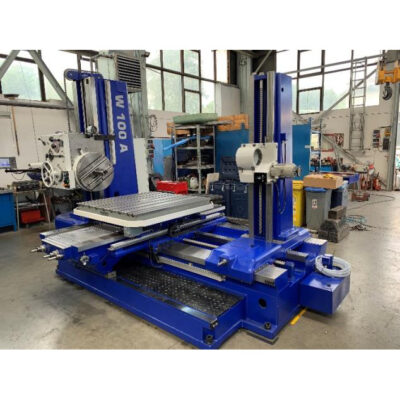
3.9″ Refurbished Horizontal Boring Mill Model TOS W 100A 63″x44″x49″
-

3″ Used Wotan Horizontal Boring Mill Model B85 48″ x 38″ x 36″


Horizontal Boring Mill Buying Guide
Spindle (Bar) Diameter
Horizontal boring mills are usually described by spindle or boring-bar diameter, for example 4″, 4.33″ (110 mm) or 5″. A larger bar is stiffer, so it can reach further and take heavier cuts without chatter. The bar’s extension (W-axis) tells you how deep it can reach into a part.
Table-Type, Planer-Type or Floor-Type
On a table-type mill, the part sits on a rotary table that moves in X and Z. This is the most common setup for job shops. Planer-type and floor-type mills keep the part stationary on a floor plate and move the column instead, so they handle parts that are too big or heavy for a table.
Travels, Table Size and Load
Check X, Y (headstock vertical) and Z travels against your largest part, and confirm the table load rating. A part that’s within travel but over the table’s rated load will hurt accuracy and wear the machine.
Rotary Table and Indexing
A rotary table with 90° shot pins or full B-axis contouring lets you machine four sides in one setup, which saves time and keeps features aligned.
CNC, DRO or Manual
Many used boring mills are manual machines with digital readouts, which work well for repair and one-off work. CNC machines with tool changers suit repeat production. Check the control model and age on any used CNC mill.
Foundation and Rigging
Boring mills are heavy, and many need a proper foundation to hold accuracy. Plan rigging, power and floor space before you buy. We can arrange transportation across the United States, Canada and Mexico.
Horizontal Boring Mill FAQs
What is the difference between a horizontal boring mill and a horizontal machining center?
A horizontal machining center moves the table and part for most operations and is built for production with pallets and a tool changer. A horizontal boring mill has an extending spindle or quill that reaches deep into large parts, which suits big, heavy and one-off work.
What should I check on a used horizontal boring mill?
Check spindle and bar runout, wear on the ways and gibs, backlash on each axis, table indexing accuracy, and the condition of the readout or CNC. Ask to see the machine under power.
Do you take trade-ins on boring mills?
Yes. We take trade-ins and can appraise your surplus machines from detailed photos and video. Call 614-255-9000.
Recent Machine Tools Added To Inventory
-
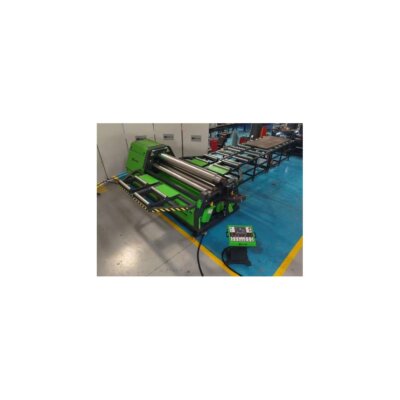
102″ x 1/2″ New Gator 4 Roll Hydraulic Plate Roll Model G4P 25/16
-
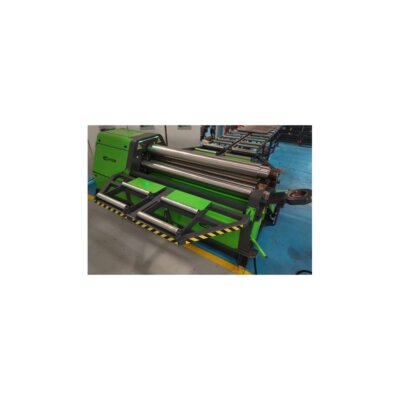
8′ x 1/4″ New Gator 4 Roll Hydraulic Plate Roll Model G4L 25/08
-
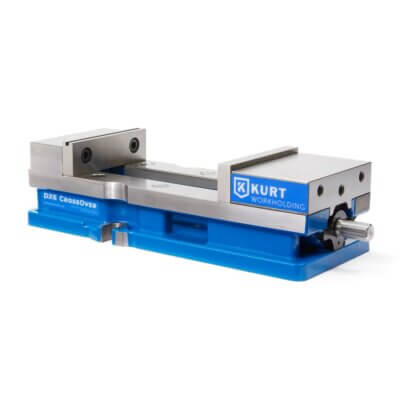
Kurt DX6 CrossOver Vise – DX6 New
$825.00 -

10″ x 55.25″ New Republic Lagun Vertical Mill Model FTV-2FE
-

6” x 18” New Clausing Lathe Precision Model CT618DT/5
-

6” x 18” New Clausing Lathe Precision Model CT618VS
